Imagine a practice that lets you tune out the chaos around you and tap into a place of peace. Breathing meditation is one such technique that’s been around for centuries. Its roots trace back to ancient Eastern traditions, where it was part of broader mindfulness practices aimed at achieving higher states of awareness and tranquility.
Breathing meditation is all about focusing on your breath. You're tuning into the natural rhythm of your breathing, feeling each inhale and exhale without trying to change it. This deceptively simple focus can lead to profound mental clarity and relaxation. It’s a practice that's available anywhere, anytime. No fancy equipment or costly lessons required.
And yet, some people have these wild misconceptions about it. They think meditation is about floating off into some mystical trance or, conversely, that it's only for yogis and monks. In reality, breathing meditation is incredibly down-to-earth and adaptable. It's as relevant and useful whether you're in a serene retreat or a noisy subway car.
Breathing meditation sets itself apart from other forms like mantra or guided meditations. Its power lies in its simplicity and the deliberate attention to the breath, which directly affects both the mind and body. The goal isn’t to suppress thoughts but to let them drift by as you maintain focus on your breath.
The beauty here is that breathing meditation is open to anyone of any age. It's an inclusive practice with benefits that cut across different demographics, lifestyles, and physical abilities. Whether you're a busy parent, a college student, or someone just navigating life, breathing meditation offers a path to find calm amid the storm.
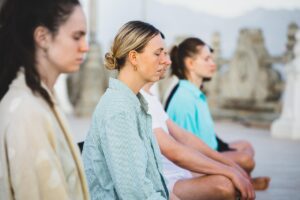
Mental Health Benefits of Breathing Meditation
Breathing meditation is like having a personal stress buster right at your fingertips. It does a fantastic job at knocking down stress and anxiety, bringing a sense of calm and focus even on the most chaotic days. By anchoring yourself with your breath, those racing thoughts that bubble up can quiet down and find a peaceful rhythm.
Focus and concentration often stand to gain big time from regular breathing meditation practice. It’s not about emptying your mind but sharpening it. By practicing this kind of mindful breathing, you’re training your brain to handle tasks with improved precision and attention.
Emotional resilience is another powerful win. Regular sessions can help bolster your ability to bounce back from setbacks. It's like a mental workout that makes you mentally stronger and more equipped to handle life's ups and downs with grace.
This practice even brings about increased mental clarity. That cloud of doubt or indecision? It has a way of lifting when you use breathing meditation to clear the mental chatter. It gives you the clarity needed to make decisions with confidence and insight.
The skeptic in us might wonder about the evidence, and rightly so. There's a growing body of studies and a ton of testimonials that highlight how effective breathing meditation can be for mental health. Researchers have noted improvements in areas like reduced anxiety and depression symptoms, bringing science in to back up what many practitioners have known for ages.
Physical Health Advantages of Breathing Meditation
Ever thought something as simple as breathing could boost your physical health? Breathing meditation not only brings peace to your mind but also offers a host of physical benefits.
When you regularly practice, you’re giving your lungs a fantastic workout, which can significantly enhance respiratory function. It's like hitting the gym but for your lungs, strengthening them with consistent use.
And for those dealing with chronic physical pain, breathing meditation can serve as a natural pain management tool. By relaxing both body and mind, it helps reduce the perception of pain, offering a reprieve without any side effects from medication.
Your heart also gets some love from this practice. Through relaxation and stress reduction, breathing meditation can lower blood pressure and heart rate, contributing to better cardiovascular health.
And let’s not forget the immune system. Engaging in regular breathing meditation might just give it a little boost, helping your body fend off illnesses more effectively.
Experts in physiology often speak about these transformations with enthusiasm, highlighting how controlled breathing can influence various physical systems in the body. So, making breathing meditation a part of your life doesn't just help mentally—it gives your entire body a health kick.
Spiritual Growth and Breathing Meditation
Breathing meditation isn't just about mental and physical health perks; it’s also a gateway to spiritual enrichment. By regularly tuning into your breath, you’re cultivating a deeper connection with your inner self, peeling back layers to access a more authentic part of you.
Through breathing, comes mindfulness. This practice invites you to live fully in the present moment, letting go of regrets from the past and worries about the future. It’s a powerful tool for becoming more aware of who you are and what truly matters in your life.
There’s also a journey towards self-compassion and self-acceptance nestled within breathing meditation. This practice encourages a gentle acknowledgment of your feelings and setbacks without harsh judgment, helping you become kinder to yourself.

Many spiritual traditions across the globe incorporate breathing as a path to enlightenment and self-discovery. The breath serves as an anchor in various practices, reflecting its universal significance in spiritual growth.
Hearing real-life stories of transformation can be inspiring. Many find breathing meditation a stepping stone to spiritual awakening, discovering a sense of peace and purpose they hadn’t known before. These narratives remind us that the journey inward can be as rewarding as any outward achievement.
Incorporating Breathing Meditation into Your Daily Routine
Starting a breathing meditation routine might feel like adding extra to your plate, but it’s simpler than you think. All you need to begin is a quiet space and a few minutes to yourself.
To avoid feeling overwhelmed, begin with short sessions. Find a comfortable spot and set a timer for just five minutes. Focus on your breath, and gradually, you can stretch that time as you get more comfortable.
Creating a tranquil environment helps a lot. It doesn't require anything fancy—just a small corner in your home where you feel relaxed and free from distractions. Maybe add a cushion, dim the lights, or light a candle if you're into that.
Many folks hit a few bumps initially with distractions and restless thoughts. It’s all part of the process. The key is to acknowledge these distractions without judgment and gently guide your focus back to your breath.
It’s important to keep your expectations realistic. Breathing meditation isn't about achieving instant Zen. It’s a gradual unfolding, a practice that grows with you over time. Be patient with yourself and stick with it.
Try incorporating simple breathing exercises with intention into your daily routine. Even a minute or two while waiting for your coffee to brew or sitting quietly in the car before heading to work can make a difference. Over time, these moments of mindfulness create a habit that benefits both mind and body.